

All Publications
Briefs, papers, field notes and magazine articles from across the EPIS network.
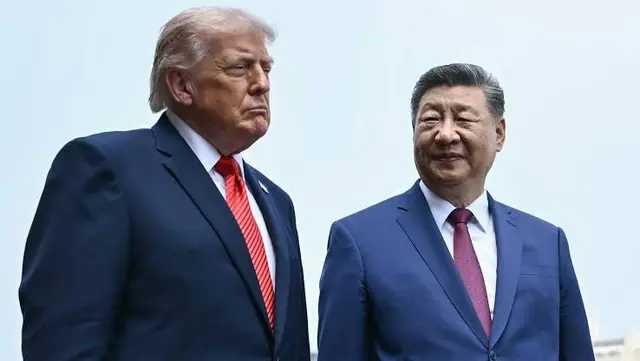
US Opposes Chinese Sanctions on Ministers from Belize and Paraguay
China has imposed sanctions on officials from Belize and Paraguay over their support for Taiwan, escalating pressure on two countries that maintain diplomatic relations with Taipei. The United States condemned the move, warning against coercion and aggression.

Two people arrested over the fire at Starlink station in Poland
The fire at Starlink station is an excellent example of sabotage and hybrid and cyber war that will take place on the side of the traditional forms of war.

Education, Inequality, and France’s Political Crisis: A System Under Strain?
What began as a student protest has grown into a nationwide movement, bringing together students, teachers, parents and workers and challenging the idea of a generational divide.

Burnham Calls for Closer EU Cooperation Ahead of UK-EU Summit
The UK government hopes potential new agreements on food standards, policing and youth mobility schemes will pave the way for closer ties with the EU.
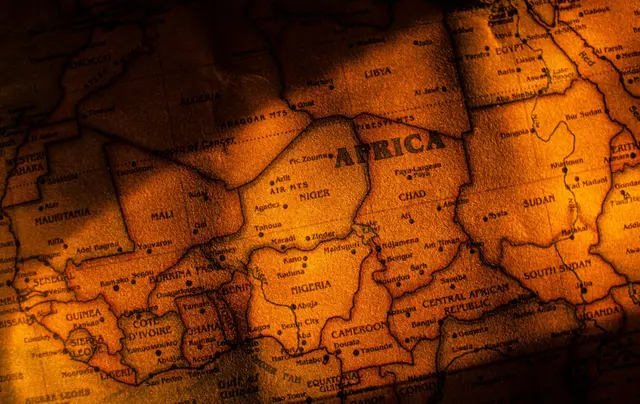
Peacebuilding and Conflict Prevention in the Horn of Africa
This article examines how IGAD and the African Union integrate gender into peacebuilding and conflict prevention in the Horn of Africa. Despite strong Women, Peace and Security frameworks, institutional resistance, inadequate funding and coordination problems hinder implementation. Through cases …

Germany supports Zelenskiy with his difficult duties
The German foreign minister announces preserving support for Ukraine and harder sanctions for Russia.
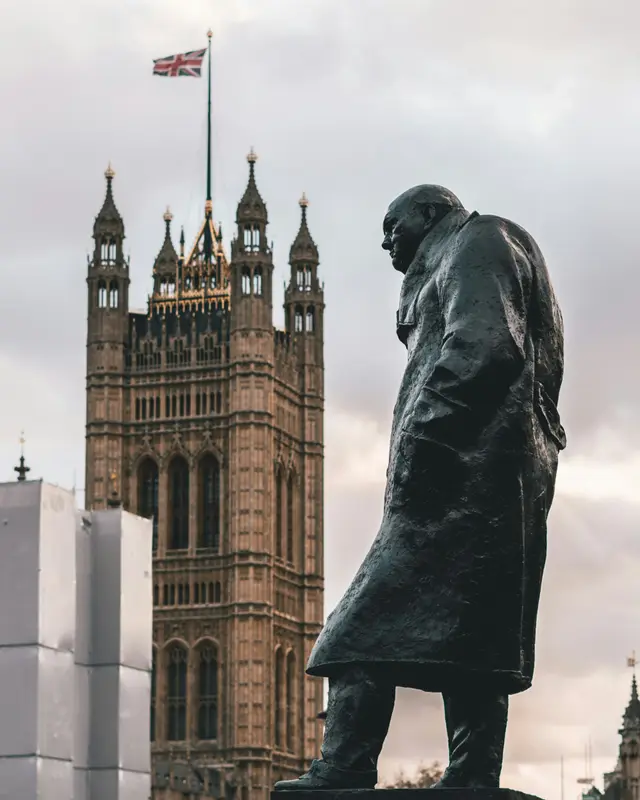
UK PM confirms election interference by the Kremlin during the Brexit referendum
For the first time since 2016 British prime minister has confirmed the russian interference into the Brexit referendum. Furthermore, Burnham warns that in the light of that discovery European states such as Germany and France should remain more vigilance in the face of their upcoming elections.

2027 Presidential Election: Raphaël Glucksmann Wins the Socialist Party Primaries
2027 Presidential Election: Raphaël Glucksmann wins the Socialist Party’s primary and challenges Le Pen and Mélenchon.

D&O Liability Insurance Amid Increasing ESG and Sustainability Litigation
Newly emerging risks are interfering into the business area more than ever before (Duzgun, 2026). ESG variables and considerations have become essential to corporate management and decision-making (Ketterling, 2026).

Beyond Borders, Beyond Treaties: The EU–Mexico Struggle Against Transnational Drug Trafficking
EU–Mexico cooperation has strengthened cross-border efforts against drug trafficking, but legal fragmentation, institutional differences, and human-rights concerns continue to limit its effectiveness.

Soft Law, Hard Consequences: The GloBE Rules After Side-by-Side
This article focuses on the GloBE Rules, specifically the IIR, UTPR and QDMTT, rather than Pillar Two as a whole, which also includes the treaty based Subject to Tax Rule (STTR).

Scars Without Wounds: Cumulative Mental Harm and the Limits of IHL
One in five people who have lived through war carries a mental health condition, yet no targeting decision is ever asked to account for it. However, the law already requires parties to weigh cumulative mental harm. The rule is not missing, but right in front of our eyes.
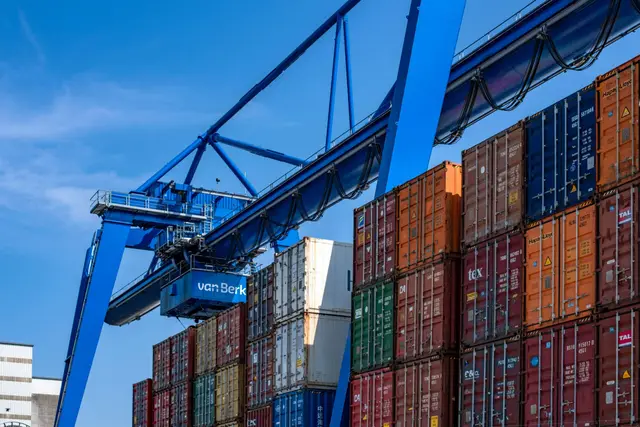
As Good as Cash: Fraud and the Limits of Autonomy in Letters of Credit
A letter of credit is designed to be as good as cash, which is why English law lets a bank refuse payment on one ground only: fraud in the documents, known to the beneficiary. This piece asks whether a threshold that almost no applicant can meet strikes the right balance between commercial certai…

The rise and fall of Theranos: analysing the corporate and regulatory collapse.
This paper analyses the Theranos scandal focusing on the systemic corporate governance and regulatory failures. Through the examination of the internal structure, the regulatory blind spots, the role of the high management and a comparison with German Wirecard, this study aims to demonstrate how …

The UN Human Rights System Is Running Out of Money
A view of the entrance to Palais Wilson in Geneva, Switzerland, previous headquarters of the United Nations Office of the High Commissioner for Human Rights which was abandoned due to budgetary constrains. Photo by: Jean-Marc Ferré / U.N.

States Without Territory: The Legal Fate of Sinking States Under International Law
Can a State survive the permanent loss of its territory? This article examines whether international law permits the continuity of statehood in the face of sea-level rise, using Tuvalu as a case study.

AI-Drafted Arbitral Awards and the Risk of Non-Enforcement
This paper examines when AI assistance in arbitral decision-making may cross the line into delegation and create enforcement risks under Article V(1)(d) of the New York Convention.

Reframing human trafficking as a natural disaster outcome
Natural disasters create opportunities for trafficking in persons. While this is a well-documented issue, the international legal framework is not equiped to respond to these specific situations.

Tuvalu and the Continuity of Statehood: The Sovereignty Debate
This brief blog article looks into whether territory is required for a state to be recognized. It looks into the case study of Tuvalu which is making moves towards maintaining its statehood; even after being submerged. The argument is that with natural factors such as climate change, there need t…

Protecting Children Beyond Content: Rethinking Responsibility for Digital Design
Digital environments offer children important opportunities for learning, creativity and social interaction, but their design may also exploit children’s vulnerabilities. This article considers how EU regulation can balance effective protection with children’s autonomy, parental responsibility an…