

All Publications
Briefs, papers, field notes and magazine articles from across the EPIS network.
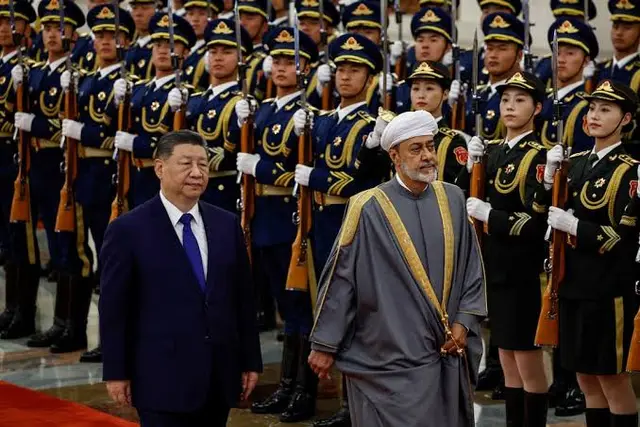
Beijing Seeks Greater Influence in the Gulf Region
China’s growing engagement in the Middle East reflects its economic and geopolitical ambitions, as Beijing seeks to expand its influence amid regional instability and shifting US involvement.
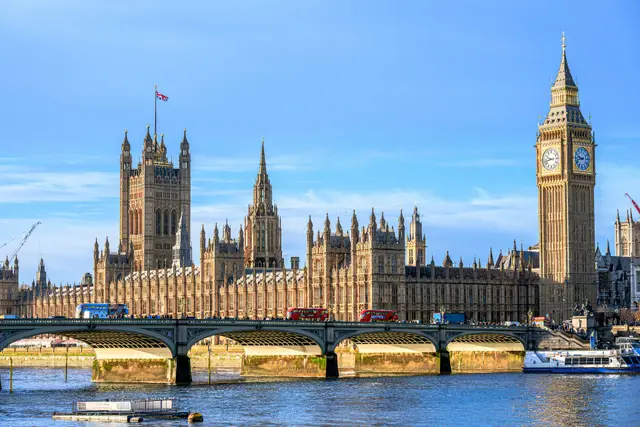
UK government considering a formal apology for role in trans-Atlantic slave trade.
The prime minister’s decision to consider ‘slavery apology’ marks a shift in British policy, although it has also led to debate both within the UK and abroad over potential reparations.
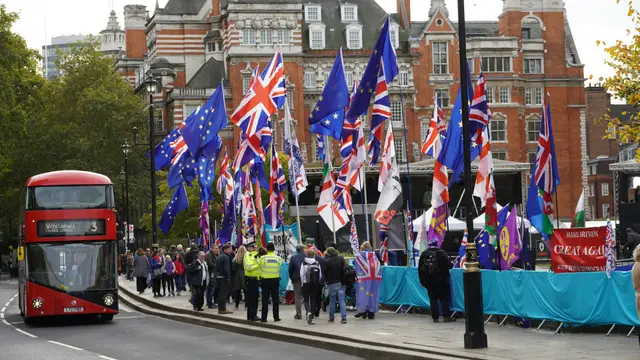
UK business secretary expresses reservations over closer EU-UK ties
As Burnham reopens the debate surrounding Britain’s relationship with the EU, senior government officials have made public their disagreements with prime minister over closer ties with the bloc.

From Intervention to Withdrawal of the Operation Barkhane
The end of Operation Barkhane marked more than a French withdrawal from the Sahel. Hansika Baldwa shows how a crisis of legitimacy and the limits of military force gave way to a sovereignty-first, multipolar security order.

Defunding the Peace: The DPPA Financing Crisis and UN Diplomacy
The UN’s Department of Political and Peacebuilding Affairs (DPPA) is repeatedly missing its voluntary funding targets, which constrains global conflict prevention. While global military spending surged to an estimated $2.9 trillion in 2025, the DPPA’s budget shortfalls limit crucial mediation and…
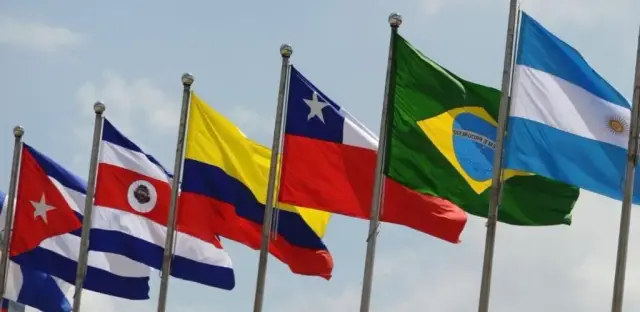
Political Polarisation and Political Violence in Latin America
Political polarisation has risen almost everywhere over the past two decades. Does it lead to political violence? Looking at Brazil, Mexico and Colombia, this essay finds the link clearest in Brazil, where affective polarisation in the Bolsonaro era culminated in the 8 January riots and a coup co…

EU KIDS Act proposal: the legality and effectiveness of Social Media age-gating mechanisms
Regardless of what one believes about the merits of this policy direction, the EU KIDS Act is not the legislative text we need

When Employees Share Confidential Data with ChatGPT: Is It a GDPR Breach?
An employee uploads a confidential workplace document to ChatGPT, deletes the conversation, and nobody notices. Has a legal breach already occurred? This article examines the GDPR implications of unauthorised AI use, OpenAI’s data-processing practices, and the potential consequences for employees…
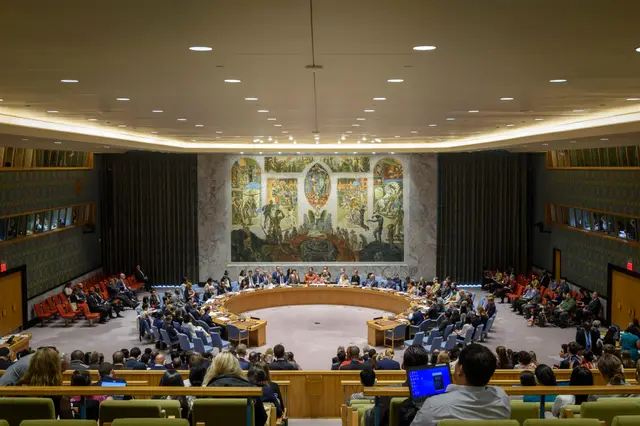
Strengthening Human-Rights Protection Mechanisms in Response to Armed Conflict: Lessons from Ukraine
The war in Ukraine has exposed a structural weakness in the international system: a permanent member directly involved in a conflict can use its veto to block collective action and accountability.
The Paradox of Immunity in Criminal Accountability
After Mongolia’s refusal to cooperate with the execution of Putin’s arrest warrant, the ICC was confronted with its main weakness: enforcement of the arrest warrants. This paper shows how reliance on state cooperation is a fragile system, as enforcement is heavily affected by states’ power and di…

Leaving Without Leaving: Can the EU Switch Off the Energy Charter Treaty’s Sunset Clause?
In autumn 2026, Moldova and Sweden notified their withdrawal from the Energy Charter Treaty. However, the treaty’s sunset clause will protect existing investments for 20 years after their exits take effect. This brief asks whether the 2026 EU Inter Se Agreement can switch off the clause between M…
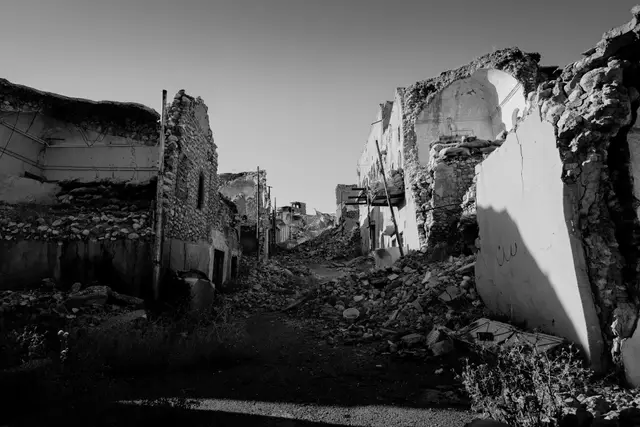
Investment Protection During Armed Conflict: Lawful in War, Compensable in Arbitration?
Can a host State lawfully destroy a foreign investment during armed conflict and still be required to compensate the investor? This article explores how international humanitarian law and investment treaty protection interact when wartime necessity causes investment losses.
The time, when only a straight man can become the German Federal President is over
German presidential elections of February are getting closer and even though any official candidates have not been nominated yet, the discussions show in a pleasant way that nowadays a straight man is not the only possible president candidate anymore.

The Warsaw Defence Plan Turns UK-Polish Partnership into Concrete European Security Capabilities
The Warsaw Defence Plan turns UK–Polish political commitments into concrete defence capabilities. Announced on 27 October 2026, it strengthens cooperation on air defence, drones, cyber, ammunition, and Baltic operations, reinforcing Britain’s post-Brexit role in European security. The Warsaw Defe…
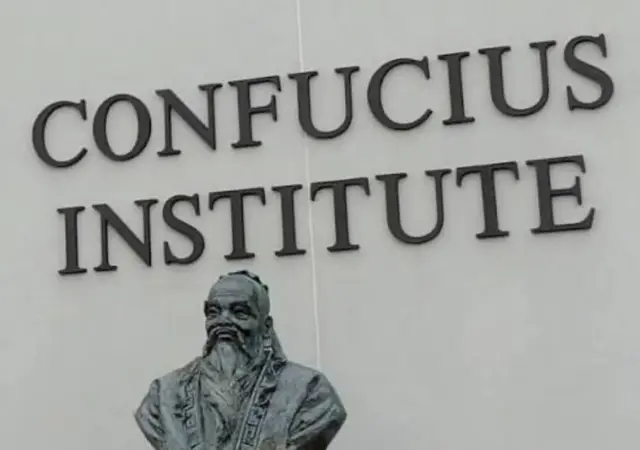
Beijing pushes back on US criticism of Confucius Institute
Last week, the US Defence Secretary Pete Hegseth had claimed that the Pentagon categorised the nationwide Confucius Institute as institutions that threaten Washington’s national security, calling them “propaganda cells” for China.
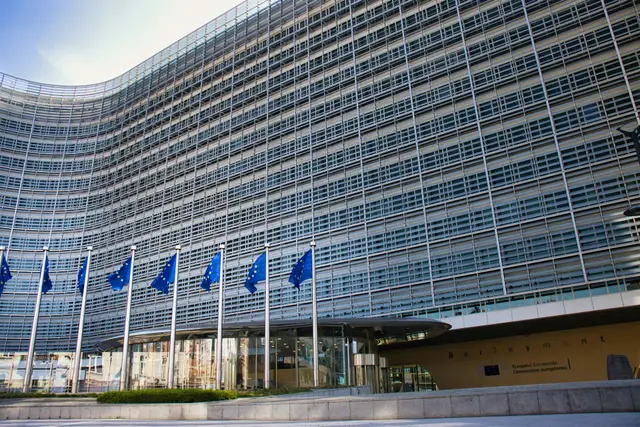
Beneficial Ownership Transparency under the New EU Anti-Money Laundering Framework
The EU’s new anti-money laundering framework seeks to reconcile financial transparency with fundamental rights. This article examines its implications for banking compliance and supervision and beneficial ownership registers.
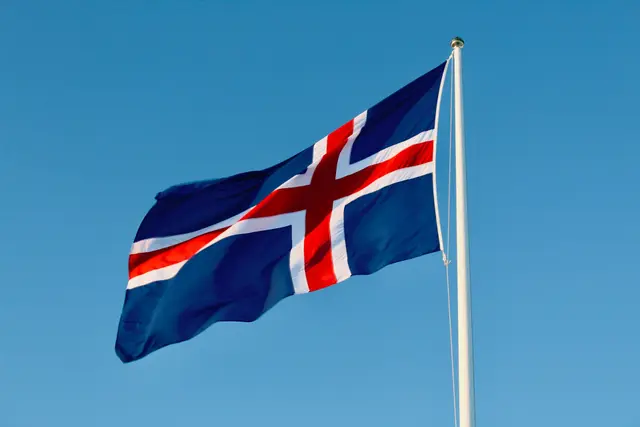
Iceland’s Referendum: a Setback for the EU’s Ambitions in the Arctic
On August 29, the Icelandic people voted on a referendum whether to restart accession negotiations with the European Union. The “No” camp won, meaning that Iceland will not join the EU for the foreseeable future. This brief summarises the domestic debate within Iceland and will then focus on the …
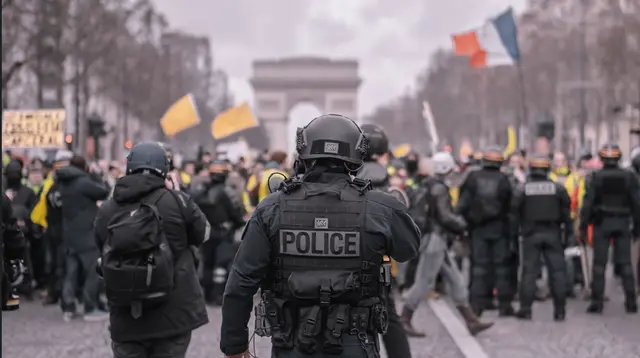
The Price of Public Order: Is France Putting the Right to Protest at Risk?
After the 17 and 24 October protests, the Senate adopted a bill making members of a group jointly liable for damage, while CCI France called for a ban on demonstrations. Where does human rights law set the limits?
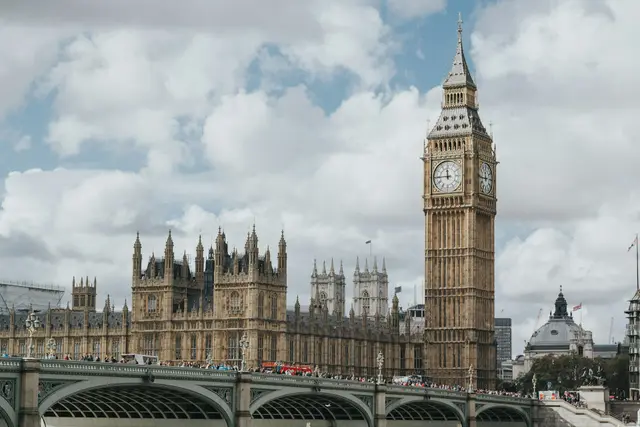
One in Eight: Britain Cannot Afford a Lost Generation
The article argues that youth disengagement is not simply a matter of individual motivation, but a structural challenge involving education, healthcare, employment opportunities and government policy. It calls for practical reforms to help young people access meaningful education, training and em…

Kingmakers and A House Divided: A Hung Knesset and Two Possible Directions
Israel’s election has produced a hung Knesset, leaving Netanyahu as caretaker. What could a far-right Netanyahu coalition or an Arab-backed Eisenkot government would mean for Iran, Gaza and Israel’s allies?