


test
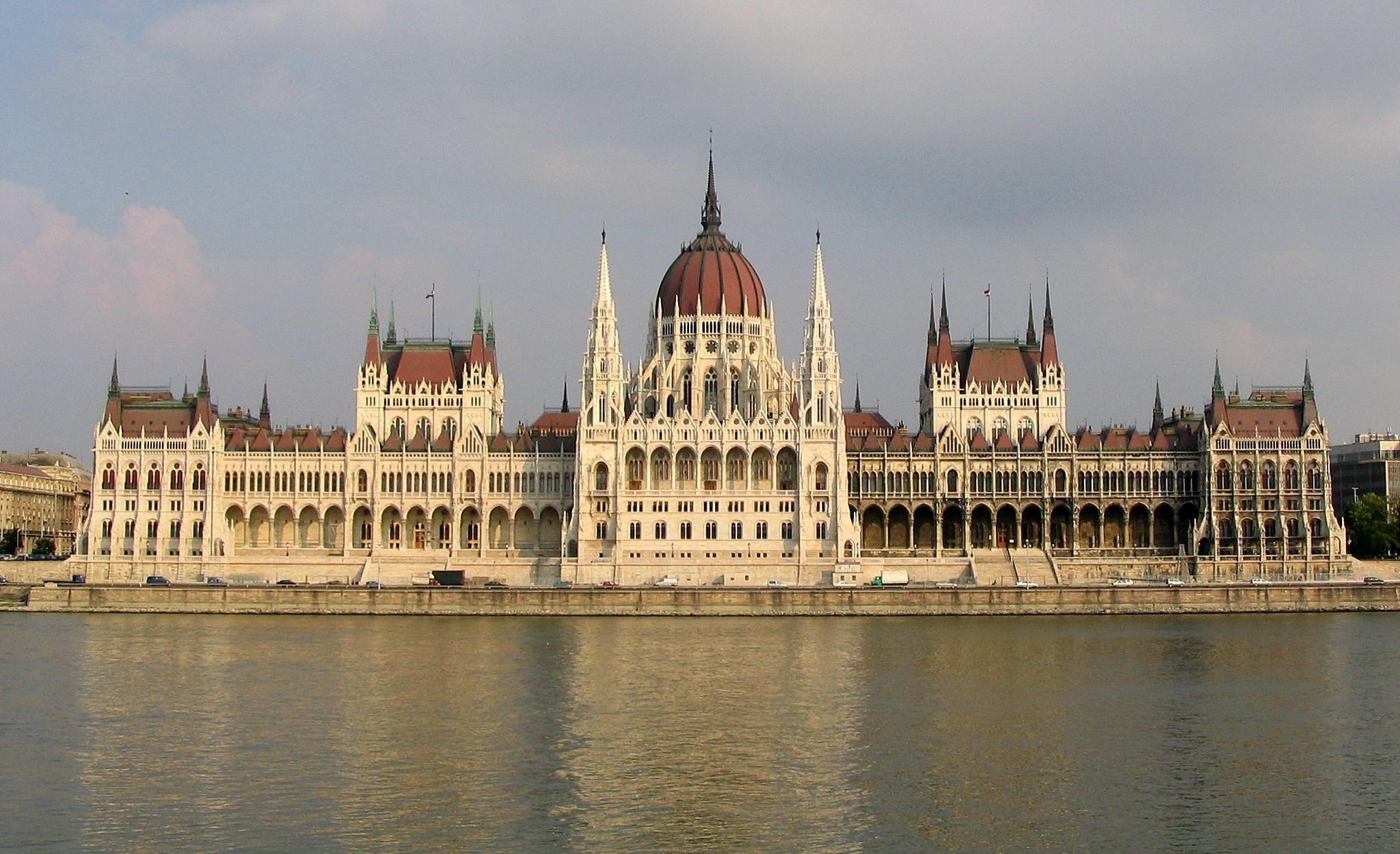
Europe is a paradox wrapped in cobblestones. Smaller than most continents it shares a planet with, it has somehow managed to shape more of world history than its size would suggest it deserves. From the ruins of ancient Greece to the glass towers of Frankfurt, from the windmills of the Netherlands to the olive groves of Crete, Europe contains multitudes — often within a single afternoon’s drive.
What makes Europe genuinely strange, in the best possible sense, is its density. You can board a train in Paris and, before the day is out, find yourself in a country with a different language, a different culinary tradition, a different rhythm of life. The continent has crammed dozens of distinct civilizations into a space that the United States or Russia would consider a modest region. Each of those civilizations had centuries to develop its own architecture, its own literature, its own interpretation of what a good meal looks like and when, exactly, it should be served.
The cities tell this story most honestly. Rome is a city where you stub your toe on something two thousand years old and the locals don’t look up from their espresso. Lisbon sits at the edge of the continent like it’s still deciding whether to sail off somewhere. Warsaw was almost entirely destroyed in the twentieth century and rebuilt itself with a kind of stubborn architectural memory. Vienna smells faintly of empire — chandeliers, cake, and a certain productive melancholy. Each city is an argument for a completely different vision of what European civilization means.
And then there is the landscape. The Alps divide the north from the south with the casualness of something that doesn’t realize it’s dramatic. The Danube moves through ten countries before it reaches the sea, collecting histories along the way. The Norwegian fjords look like a planet that forgot to finish rendering itself. The flat, pragmatic horizons of the Low Countries feel like a place where people decided early on that the land wasn’t going to cooperate and they’d simply have to build everything themselves — which they did.
Europe’s recent history is, of course, complicated in ways that matter. The twentieth century tried its best to tear the continent apart, twice. What emerged from that catastrophe — the slow, imperfect, frequently frustrating project of European integration — is arguably the most ambitious political experiment in modern history: the idea that ancient enemies could share a currency, open their borders to each other, and agree on the acceptable curvature of a banana. It has not gone smoothly. It has also not collapsed.
What Europe offers the traveler, the student, or the simply curious is something rare: the experience of the past existing in the present without apology. History here is not behind glass. It is the bridge you cross, the square you eat lunch in, the wine that comes from grapes grown on volcanic soil above a city that’s been continuously inhabited since before the Roman Empire arrived and decided to reorganize things.
Europe is exhausting. Europe is irreplaceable.